
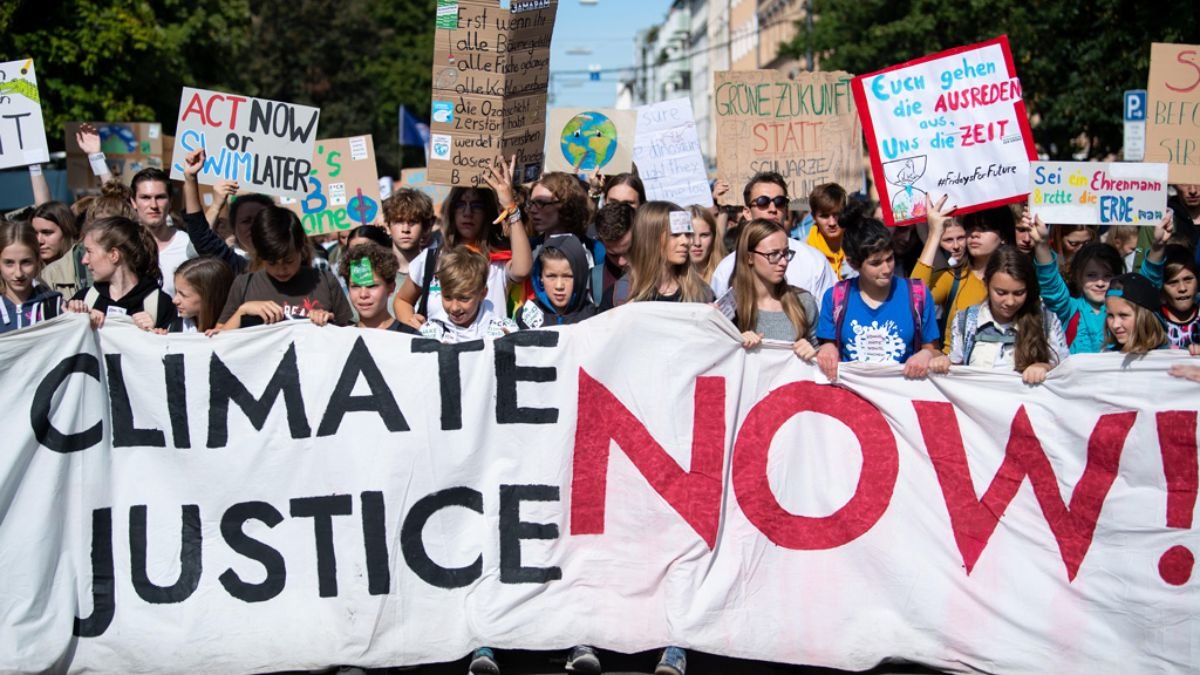
Environmental justice is often discussed in political, scientific, or social terms, but for Christians, it is also deeply spiritual. It speaks to how faith is lived out in everyday decisions, how neighbors are treated, and how God’s creation is honored. The Christian call to love God and love others cannot be separated from care for the environment, because environmental harm almost always harms people, especially the poor, the vulnerable, and future generations. Understanding environmental justice as a Christian responsibility brings faith out of abstraction and into real-world action.
Creation as God’s Sacred Gift
Christian belief begins with the conviction that the world is created by God and declared good. From the opening chapters of Genesis, creation is presented not as an accident or a resource to be exploited, but as a sacred gift entrusted to humanity. The earth, seas, animals, and plants exist by God’s will and reflect divine creativity. When Christians speak about stewardship, they are acknowledging that humans are caretakers, not owners, of what God has made.
This understanding reshapes how environmental issues are viewed. Pollution, deforestation, and climate damage are not just technical problems; they are moral concerns because they involve the mistreatment of something God loves. To ignore environmental destruction is to ignore a dimension of God’s work in the world.
Stewardship and Responsibility in Christian Teaching
The idea of stewardship runs throughout Christian theology. Humanity is given the responsibility to “till and keep” the earth, which implies care, protection, and accountability. Stewardship does not mean domination or careless use; it means wise, loving management for the benefit of all creation.
Environmental justice fits naturally within this framework. When ecosystems are damaged, when air and water are polluted, and when land is stripped of its life, it reflects a failure of stewardship. Christians are called to reflect God’s character, and God’s care is patient, sustaining, and generous. Acting responsibly toward the environment is one way believers mirror that care.
Environmental Harm and Its Impact on the Poor
One of the strongest connections between Christianity and environmental justice lies in concern for the poor and marginalized. Environmental damage rarely affects everyone equally. Communities with fewer resources often live closer to polluted areas, unsafe water supplies, or climate-related risks. Children, the elderly, and those already struggling economically are usually the first to suffer.
Christian teachings repeatedly emphasize care for the least among us. When environmental harm disproportionately affects vulnerable communities, it becomes a justice issue, not just an environmental one. Ignoring pollution that poisons water or air in poor neighborhoods contradicts the Christian command to love one’s neighbor. Environmental justice seeks to ensure that no group bears an unfair share of environmental harm, aligning closely with Christian ethics.
Loving Your Neighbor Through Environmental Care
Jesus’ teaching to love your neighbor as yourself provides a powerful moral foundation for environmental responsibility. Environmental choices are never isolated. Decisions about waste, energy use, consumption, and land development ripple outward, affecting others near and far.
When Christians advocate for cleaner air, safer water, and sustainable practices, they are practicing neighborly love. This love extends beyond immediate communities to people across the world and to generations not yet born. Environmental justice recognizes that future neighbors also deserve a livable planet, and Christian love does not stop at the present moment.
The Moral Weight of Climate Change
Climate change has become one of the defining challenges of the modern world, and it raises profound moral questions. Rising temperatures, extreme weather, and shifting ecosystems threaten food security, health, and livelihoods, especially in regions least responsible for emissions. This imbalance between cause and consequence highlights why climate change is also a justice issue.
From a Christian perspective, knowingly contributing to harm that falls on the vulnerable demands reflection and repentance. Environmental justice calls believers to consider how lifestyles, policies, and economic systems affect the global community. Responding faithfully may involve changes that are uncomfortable, but Christian discipleship has always involved sacrifice for the sake of love and truth.
Faith Beyond Words and Into Action
Christian faith is not meant to remain theoretical. Scripture consistently emphasizes action alongside belief. Caring for the environment becomes a tangible way to live out faith, translating prayer and worship into responsible choices. Recycling, conserving energy, supporting ethical policies, and educating others are not merely secular acts; they can be expressions of devotion.
Environmental justice invites Christians to see activism not as opposition to faith, but as an extension of it. When churches engage in community cleanups, advocate for fair environmental laws, or support sustainable practices, they embody the faith they proclaim. Action gives credibility to belief.
The Church’s Role in Environmental Justice
Churches hold significant influence in shaping values, attitudes, and behavior. As trusted community institutions, they are uniquely positioned to educate and inspire action on environmental justice. Sermons, study groups, and outreach programs can help believers understand the spiritual dimensions of environmental care.
Beyond education, churches can model responsible practices by reducing waste, using resources wisely, and supporting local environmental initiatives. When congregations take environmental justice seriously, they send a message that faith speaks to contemporary challenges and remains relevant in a changing world.
Hope, Redemption, and Restoration
Christian theology is rooted in hope. Even in the face of environmental crisis, faith offers a vision of restoration and renewal. This hope does not excuse inaction; instead, it motivates responsible engagement. Belief in redemption encourages Christians to work toward healing what has been damaged.
Environmental justice aligns with this redemptive vision. Efforts to restore polluted lands, protect endangered species, and create sustainable systems reflect the Christian belief that brokenness is not the final word. Caring for creation becomes an act of hope, grounded in trust that God’s purposes include renewal.
Addressing Misconceptions About Faith and the Environment
Some argue that environmental concerns distract from spiritual matters, but this creates a false division. Christianity has always addressed the whole of life, including physical well-being, social structures, and relationships with the natural world. Separating faith from environmental responsibility overlooks how deeply interconnected these areas are.
Environmental justice does not replace spiritual devotion; it enriches it. By caring for creation, Christians deepen their understanding of God’s presence in the world. Nature becomes not just a backdrop for human activity, but a partner in worship and witness.
Passing Values to Future Generations
Christian responsibility extends beyond the present generation. Parents, educators, and church leaders play a crucial role in shaping how young people view the environment. Teaching environmental justice within a Christian framework helps future generations see care for creation as a normal part of faithful living.
When children learn that faith includes responsibility toward the earth, they grow up with a holistic understanding of discipleship. This prepares them to face future challenges with wisdom, compassion, and moral clarity.
Environmental Justice as a Witness to the World
How Christians respond to environmental issues also shapes how faith is perceived by others. In a world increasingly concerned about sustainability and justice, indifference can weaken the church’s witness. Conversely, thoughtful engagement can open doors for meaningful dialogue and shared action.
When Christians advocate for environmental justice, they demonstrate that faith is not disconnected from real-world concerns. This witness can build bridges across differences, showing that Christian values align with the pursuit of a healthier, fairer world.
Living Faithfully in a Shared World
Environmental justice reminds Christians that they share the world with others, both human and non-human. Faith calls believers to humility, recognizing that humanity is part of a larger creation. Living faithfully means respecting the limits of the earth and the dignity of all who depend on it.
This shared responsibility challenges individualism and encourages community-minded living. Environmental justice becomes a way of practicing solidarity, acknowledging that well-being is interconnected.
Conclusion
Why environmental justice is a Christian responsibility ultimately comes down to love. Love for God, whose creation reflects divine goodness. Love for neighbors, especially the vulnerable, who suffer most from environmental harm. Love for future generations, who will inherit the consequences of today’s choices.
Environmental justice is not an optional add-on to Christian life; it is a natural expression of faith in action. By embracing care for creation and standing for fairness, Christians live out the heart of their beliefs in a world that deeply needs hope, responsibility, and compassion.
