
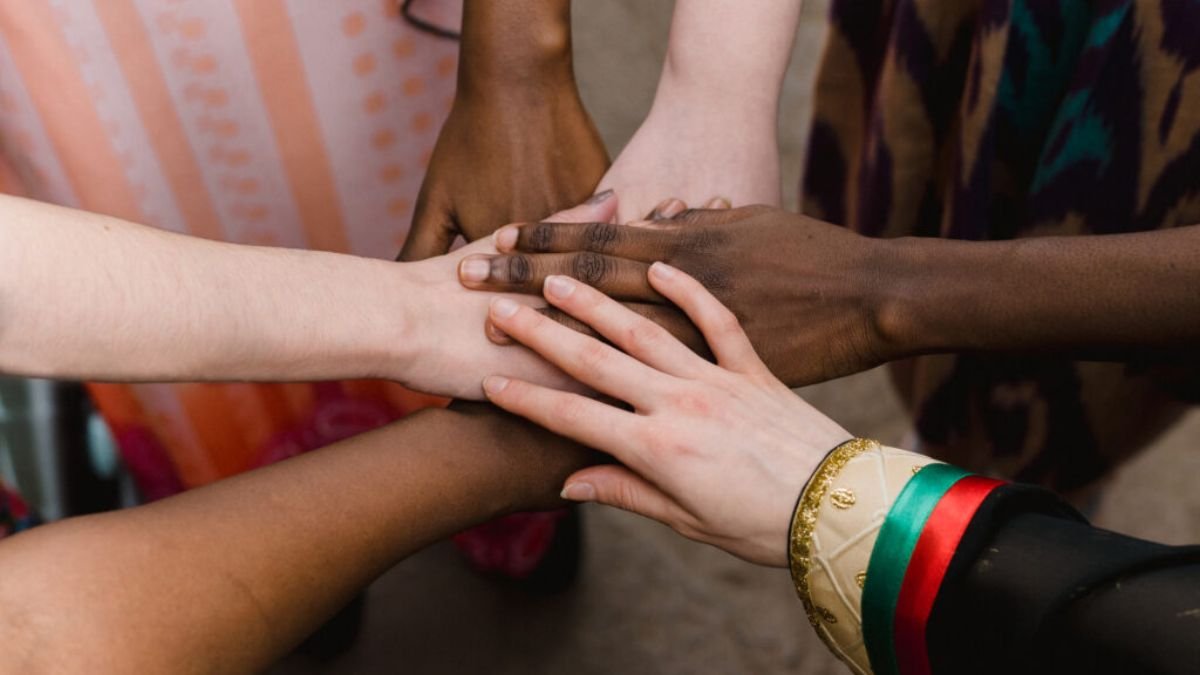
Faith-based organizations have long played a quiet yet powerful role in shaping communities. Often rooted in shared beliefs, values, and traditions, these organizations go far beyond places of worship. They become centers of hope, service, and connection, especially during times of uncertainty or hardship. In many neighborhoods, faith-based organizations are trusted institutions that bring people together, address social needs, and strengthen the bonds that hold communities together.
Their impact is not limited to religious activities. By responding to real human needs with compassion and consistency, faith-based organizations help create communities that are more resilient, inclusive, and supportive. Understanding how they do this reveals why their presence remains so important in today’s rapidly changing world.
Creating a Sense of Belonging and Trust
One of the strongest ways faith-based organizations build stronger communities is by fostering a sense of belonging. In an increasingly fragmented society, many people feel isolated or disconnected. Faith-based spaces often provide a welcoming environment where individuals feel seen, valued, and accepted.
This sense of belonging builds trust, which is essential for healthy communities. When people trust an institution, they are more likely to seek help, volunteer their time, and support one another. Faith-based organizations often serve as safe spaces where personal struggles can be shared without fear of judgment. Over time, these relationships create strong social networks that extend beyond the walls of the organization and into the wider community.
Addressing Immediate Human Needs
Faith-based organizations are frequently on the front lines when it comes to meeting basic human needs. Whether it is providing food, clothing, shelter, or emergency assistance, they respond quickly and compassionately to those facing hardship. Their motivation is often rooted in moral teachings that emphasize service, generosity, and care for others.
Because they are deeply embedded in local communities, these organizations understand local challenges better than many external agencies. They can identify families in need, respond to crises, and offer support in ways that feel personal rather than bureaucratic. This responsiveness strengthens communities by ensuring that vulnerable individuals are not left behind.
Supporting Emotional and Spiritual Well-Being
Strong communities are not built on material support alone. Emotional and spiritual well-being play a critical role in helping individuals cope with stress, loss, and uncertainty. Faith-based organizations often provide counseling, prayer, guidance, and a listening ear during difficult times.
By addressing emotional and spiritual needs, these organizations help people find meaning, hope, and resilience. Individuals who feel emotionally supported are better equipped to contribute positively to their families and neighborhoods. This inner strength, multiplied across many individuals, becomes a foundation for community stability and growth.
Encouraging Volunteerism and Civic Engagement
Faith-based organizations are powerful drivers of volunteerism. They encourage members to give their time and talents in service to others, reinforcing the idea that everyone has something valuable to offer. This culture of service strengthens communities by promoting shared responsibility and active participation.
Volunteer activities organized by faith-based groups often address local issues such as education, healthcare access, environmental care, and disaster response. Through these efforts, individuals develop leadership skills, build relationships across social divides, and gain a deeper understanding of their community’s needs. Civic engagement becomes a natural extension of faith, benefiting society as a whole.
Bridging Social and Cultural Divides
Communities are often shaped by diversity in culture, ethnicity, and background. While diversity can enrich a community, it can also lead to misunderstanding or division if not nurtured carefully. Faith-based organizations often act as bridges between different groups, promoting dialogue, empathy, and cooperation.
Many faith traditions emphasize values such as compassion, justice, and peace, which encourage members to reach beyond their own circles. Interfaith initiatives, community dialogues, and collaborative service projects help reduce prejudice and build mutual respect. By bringing people together around shared goals, faith-based organizations help create more inclusive and harmonious communities.
Strengthening Families and Youth Development
Families and young people are at the heart of any strong community. Faith-based organizations often invest heavily in family support and youth development programs. These may include parenting support, mentoring, educational activities, and safe spaces for young people to grow and learn.
By providing positive role models and structured environments, faith-based organizations help young people develop confidence, values, and a sense of purpose. Strong families and empowered youth contribute to long-term community stability, reducing cycles of poverty, violence, and disengagement.
Providing Stability During Times of Crisis
During natural disasters, economic downturns, or public health emergencies, faith-based organizations often become pillars of stability. Their existing networks, facilities, and volunteer base allow them to mobilize quickly. They provide not only practical assistance but also reassurance and hope during times of fear and uncertainty.
Because these organizations are rooted in long-term relationships rather than short-term projects, they remain present even after immediate crises fade from headlines. This sustained support helps communities recover and rebuild, reinforcing trust and resilience.
Advocating for Social Justice and Fairness
Many faith-based organizations view social justice as a core expression of their beliefs. They advocate for policies and practices that promote dignity, fairness, and opportunity for all members of society. This advocacy can address issues such as poverty, housing, education, healthcare, and human rights.
By giving voice to marginalized populations, faith-based organizations help ensure that community development includes everyone. Their moral authority and grassroots connections allow them to influence change in ways that purely secular institutions may struggle to achieve. This pursuit of justice strengthens communities by addressing root causes of inequality.
Building Long-Term Community Partnerships
Faith-based organizations rarely work in isolation. They often collaborate with schools, nonprofits, local governments, and other community groups to maximize impact. These partnerships allow resources to be shared, efforts to be coordinated, and solutions to be more comprehensive.
Such collaboration strengthens the entire community ecosystem. When organizations work together rather than compete, they create a network of support that is more effective and sustainable. Faith-based organizations often serve as connectors, bringing diverse stakeholders together around common goals.
Promoting Ethical Leadership and Moral Values
Leadership plays a crucial role in community strength. Faith-based organizations often emphasize ethical leadership grounded in integrity, humility, and service. Leaders within these organizations are encouraged to model values that prioritize the common good over personal gain.
This emphasis on moral leadership influences not only internal practices but also the wider community. Individuals shaped by these values often carry them into their workplaces, schools, and civic roles. Over time, this contributes to a culture of accountability, respect, and shared responsibility.
Preserving Hope and Purpose in Community Life
Perhaps one of the most profound contributions of faith-based organizations is their ability to nurture hope. In communities facing long-term challenges, hope can be fragile. Faith-based organizations remind people that change is possible and that their lives have meaning beyond immediate circumstances.
By offering narratives of resilience, redemption, and purpose, these organizations help communities imagine a better future. Hope motivates action, encourages perseverance, and strengthens social bonds. It is a quiet but powerful force that sustains communities through both hardship and growth.
Adapting to Modern Community Needs
While rooted in tradition, many faith-based organizations continue to adapt to modern realities. They engage with technology, respond to emerging social issues, and evolve their programs to meet changing needs. This adaptability ensures that they remain relevant and effective in serving diverse populations.
By listening to community voices and embracing innovation, faith-based organizations demonstrate that faith and progress are not opposing forces. Instead, they work together to address contemporary challenges with compassion and creativity.
Conclusion
How faith-based organizations help build stronger communities is ultimately a story of relationships, service, and shared values. Through belonging, support, advocacy, and hope, these organizations create environments where individuals can thrive together. Their work touches every aspect of community life, from meeting basic needs to shaping moral vision.
In a world where social connections are often strained, faith-based organizations continue to offer stability, compassion, and purpose. Their enduring presence reminds us that strong communities are built not only through policies and programs, but through care, commitment, and a deep belief in the worth of every person.
