
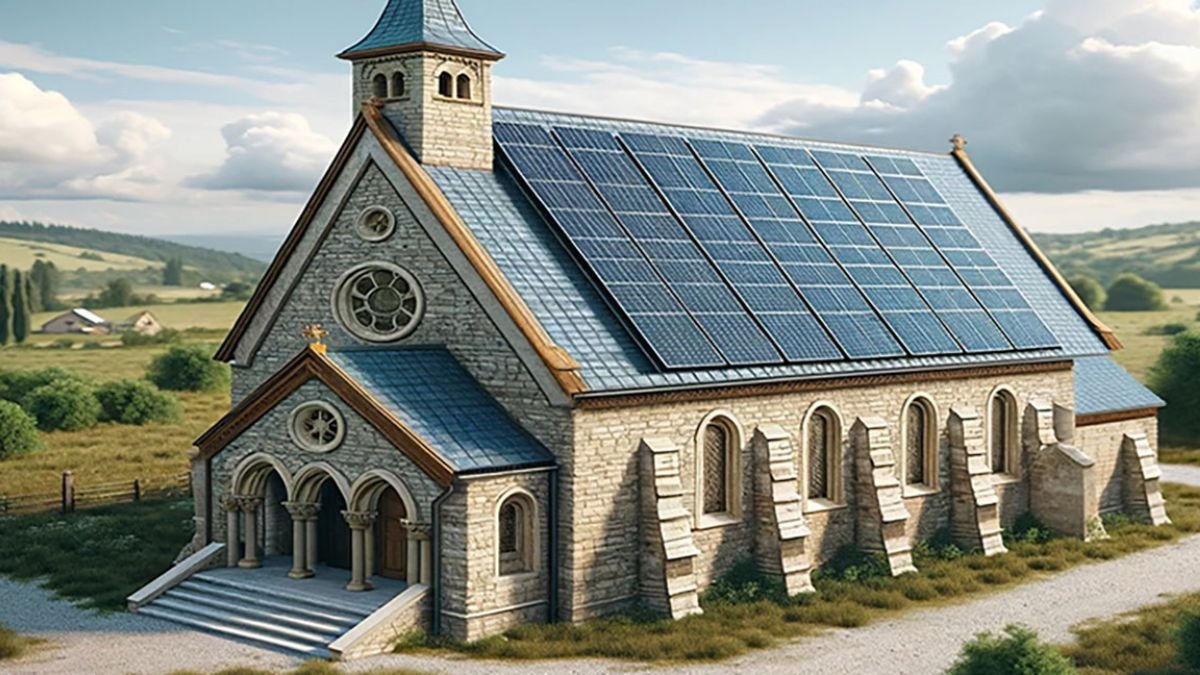
Across the world, churches have always been more than just places of worship. They are community anchors, safe spaces, and centers for hope and service. In recent years, many churches have embraced a new kind of service—harnessing solar energy to power their buildings and uplift the neighborhoods around them. This quiet but powerful shift toward renewable energy is helping faith communities lower costs, protect the planet, and expand the services they provide to those in need. By installing solar panels on rooftops and church grounds, congregations are showing how sustainability and spirituality can come together in a meaningful and practical way.
Reducing Energy Costs to Support Community Programs
Electricity costs are often one of the largest recurring expenses for churches. Many faith centers operate large halls, meeting rooms, kitchens, offices, and outreach spaces that require constant lighting, heating, and cooling. By switching to solar power, churches significantly reduce their utility bills, freeing up funds that can be redirected toward programs such as food pantries, youth activities, shelter support, and educational initiatives.
Instead of paying thousands toward monthly electricity expenses, many churches now use those funds to support the most vulnerable members of their communities. This change becomes more than financial efficiency—it represents good stewardship. Church leaders often describe solar power as a way to use resources wisely, aligning with their mission to care for both people and the planet.
Setting an Example of Environmental Stewardship
Many faith traditions teach the importance of caring for creation. Churches installing solar panels are putting these teachings into action in a very visible and practical way. By embracing renewable energy, congregations model responsible environmental behavior and demonstrate that sustainability is not just a technological trend but a moral commitment.
Solar-powered churches reduce dependence on fossil fuels and help lower carbon emissions. This contribution, while small on a global scale, has a symbolic importance that inspires individuals and other organizations to reconsider their own energy choices. Children growing up in these congregations learn that protecting the environment is both a spiritual and civic duty, creating new generations of eco-conscious leaders.
Providing Energy Security During Emergencies
In times of crisis, churches often become emergency shelters, distribution centers, or comfort hubs for local residents. Solar power strengthens this role by providing reliable backup energy when the traditional grid fails. When paired with battery storage systems, solar-powered churches can keep lights on, refrigerators running, and communication devices charged even during power outages.
This capability has proven invaluable during natural disasters, storms, and heat waves. Congregations have used stored solar energy to refrigerate medicines, operate fans or heaters, and maintain safe gathering spaces. In some areas, churches have even opened their doors to neighbors simply needing a place to charge their phones or cool down. Renewable energy, in this sense, becomes a lifeline.
Creating Gathering Spaces That Reflect Modern Values
A church building often reflects the values of the congregation. Installing solar panels sends a powerful message: the church is forward-thinking, compassionate, and dedicated to long-term community wellbeing. Members often take pride in knowing their place of worship is environmentally responsible. This sense of purpose strengthens community connection and inspires volunteerism around environmental initiatives.
Some churches incorporate solar technology into educational programs, offering tours or workshops that explain how renewable energy works. Local schools, environmental groups, and neighborhood associations often partner with these churches to learn more about sustainability. Over time, the church becomes a hub for conversation, innovation, and shared learning.
Supporting Low-Income Neighborhoods Through Energy Equity
Many churches are located in lower-income or underserved areas, where residents face higher energy burdens and limited access to renewable technology. By installing solar panels, churches can help bridge the energy equity gap. Some congregations share excess power with community housing or operate programs that assist families in transitioning to renewable energy at reduced costs.
Others run awareness campaigns that help residents understand energy usage, utility savings, and environmental benefits. This outreach empowers people who might otherwise feel excluded from green technology movements. In this way, solar-powered churches become advocates for fairness and access.
Strengthening Financial Stability for Long-Term Mission Work
Financial sustainability is essential for churches to continue supporting spiritual and social missions. Solar energy systems typically pay for themselves over time, thanks to reduced electricity bills and long-term savings. Once the initial installation cost is covered, the church benefits from years of nearly free solar-generated electricity.
This financial stability allows church leadership to plan confidently for the future. Instead of worrying about rising energy prices, they can focus on growing outreach programs, maintaining facilities, and supporting missions. Solar energy becomes a tool for long-term security.
Encouraging Community Partnerships and Job Creation
Solar projects often involve partnerships between churches, environmental organizations, local governments, and solar installation companies. These collaborations bring communities together around shared goals. In some regions, solar installations also create local employment opportunities, providing jobs for technicians, electricians, and maintenance workers.
Churches may also host job training programs focused on renewable energy careers. These initiatives give young people and unemployed residents access to new opportunities while strengthening the local green economy.
Inspiring Other Faith and Community Organizations
When one church successfully transitions to solar power, nearby congregations often become curious. Leaders share experiences, installation details, and lessons learned. Over time, entire networks of faith-based solar projects emerge. This ripple effect extends beyond churches to mosques, temples, synagogues, and nonprofit centers.
These shared success stories help normalize renewable technology within community spaces. Faith organizations, with their deep trust and social influence, play a powerful role in shaping public attitudes toward sustainability.
Overcoming Challenges and Building Hope
Of course, switching to solar energy is not always easy. Churches may face financial, regulatory, or logistical barriers. Some buildings are old or structurally unsuitable for rooftop panels. Others must navigate zoning laws or fundraising limitations. Yet many congregations persist, driven by faith in their mission and belief in environmental care.
Creative solutions—such as community fundraising, grants, or shared solar partnerships—help make projects possible. Each completed installation becomes a symbol of hope and perseverance.
A Vision for the Future
As technology improves and renewable energy becomes more accessible, more churches will likely explore solar options. The trend represents more than a shift in infrastructure; it reflects a deeper transformation in how faith communities understand their role in the modern world. Churches are no longer just spiritual centers but also environmental guardians, educators, and innovators.
By embracing solar power, they show that small actions can create meaningful change. Simple rooftop panels can light sanctuaries, empower neighborhoods, and inspire future generations.
Conclusion
Churches using solar power are not simply adopting a new technology—they are renewing their commitment to service, stewardship, and community care. Solar energy helps reduce costs, protect the environment, support vulnerable neighbors, and strengthen the long-term mission of faith communities. These congregations have discovered that renewable power aligns beautifully with spiritual values of compassion, responsibility, and hope.
As more churches step into the sunlight—quite literally—they remind us that caring for the Earth and caring for one another are deeply connected. Solar-powered faith communities shine as powerful examples of what happens when belief and action come together for the greater good.
