
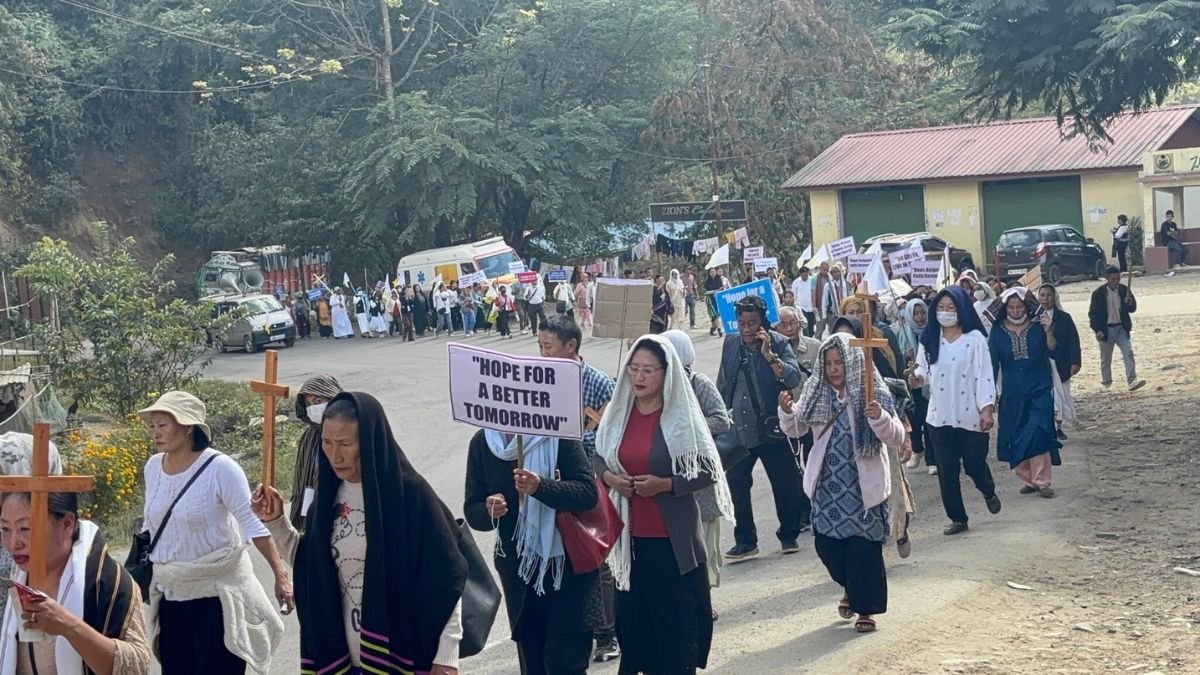
When emergencies strike or power outages plunge neighborhoods into darkness, communities often look for sources of stability, safety, and reassurance. In these moments, churches frequently emerge as quiet yet powerful pillars of support. Beyond their spiritual role, churches have long been deeply woven into the social fabric of communities. During crises, they transform from places of worship into hubs of relief, compassion, and practical help. Their doors, resources, and people become lifelines for those facing fear, disruption, and uncertainty.
Emergencies and blackouts do more than interrupt daily routines. They expose vulnerabilities, especially among seniors, low-income families, and those living alone. Churches, rooted in service and care, often respond swiftly because they already know their communities well. Their ability to mobilize volunteers, provide safe spaces, and offer emotional comfort makes them uniquely positioned to help when other systems are overwhelmed or temporarily unavailable.
The Historical Role of Churches in Times of Crisis
Throughout history, churches have played a central role during moments of collective hardship. From natural disasters and wars to economic downturns and public health crises, faith communities have often been among the first to respond. This tradition of service is grounded in values of compassion, generosity, and responsibility toward neighbors. Long before modern emergency management systems existed, churches were places where people gathered for shelter, food, and mutual support.
In many towns and cities, churches are some of the oldest and most trusted institutions. Their longstanding presence builds credibility and familiarity, which becomes especially important during emergencies. When people are scared or uncertain, they tend to gravitate toward places they know and trust. Churches often serve as those familiar anchors, offering continuity when everything else feels unstable.
Churches as Safe Havens During Blackouts
Power outages can quickly turn dangerous, especially when they last for hours or days. Without electricity, families may struggle to stay warm or cool, store food safely, or access essential medical devices. Churches frequently respond by opening their buildings as temporary safe havens. Many church facilities are equipped with generators, large gathering spaces, and kitchens, allowing them to support people during extended blackouts.
During these times, churches may provide heated or air-conditioned spaces where residents can rest, recharge devices, and escape unsafe home conditions. For individuals who rely on electricity for medical equipment, such spaces can be life-saving. Even when resources are limited, the simple act of offering light, warmth, and human presence can significantly reduce stress and fear.
Providing Food and Basic Necessities When Supplies Are Disrupted
Emergencies often disrupt supply chains, leaving grocery stores closed or shelves empty. Churches frequently step in to help meet basic needs when access to food becomes limited. Many churches already operate food pantries or meal programs, making it easier for them to scale up during crises. Volunteers prepare hot meals, distribute packaged food, and ensure that vulnerable populations are not left hungry.
Beyond food, churches also help distribute essential items such as bottled water, blankets, hygiene products, and batteries. These efforts are often coordinated quickly because churches have existing volunteer networks and storage spaces. Their ability to respond flexibly allows them to address immediate needs while larger relief efforts are still being organized.
Emotional and Spiritual Support in Moments of Fear
While physical needs are critical during emergencies, emotional and psychological support is equally important. Fear, anxiety, and isolation often intensify during blackouts and disasters, especially for those who are already vulnerable. Churches provide a sense of calm and reassurance through human connection. Clergy and volunteers listen, comfort, and remind people that they are not facing hardship alone.
For many individuals, prayer, conversation, and shared silence offer deep comfort during uncertain times. Churches create spaces where people can express fear, grief, or confusion without judgment. This emotional presence can be just as healing as material assistance, helping individuals regain a sense of hope and stability.
Supporting Seniors and Vulnerable Populations
Older adults, people with disabilities, and families with young children are often among the most affected during emergencies. Churches frequently make special efforts to reach these groups. Congregations often maintain informal networks that allow them to check on seniors, deliver supplies, or offer transportation when normal services are disrupted.
During blackouts, churches may organize phone trees or in-person visits to ensure that vulnerable individuals are safe. This personal approach is one of the church’s greatest strengths. Unlike large institutions, churches often know names, faces, and specific needs, allowing them to respond with empathy and precision rather than a one-size-fits-all approach.
Churches as Community Communication Centers
When power outages disrupt internet access and mobile networks, communication becomes a major challenge. Churches often step in as informal communication centers, sharing updates and information with community members. Notices may be posted physically, announcements made in person, or information shared through battery-powered radios and word of mouth.
Because churches are trusted sources, people often rely on them for accurate and calming information. Clergy and leaders may coordinate with local authorities or emergency services to pass along guidance and updates. This role helps reduce panic and misinformation, ensuring that people know where to go and what to do next.
Volunteer Mobilization and Local Coordination
One of the most valuable assets churches bring during emergencies is their ability to mobilize volunteers quickly. Congregations are made up of people who are already accustomed to working together for shared goals. When a crisis hits, this existing structure allows churches to respond without delay.
Volunteers may help prepare meals, distribute supplies, clean up debris, or assist with transportation. Churches often collaborate with other local organizations, schools, and nonprofits to maximize impact. This cooperation strengthens the overall community response, creating a network of care that extends beyond any single institution.
Partnering With Emergency Services and Local Authorities
In many areas, churches work closely with emergency management agencies and local governments. Their buildings may serve as official shelters, warming centers, or distribution points during disasters. This partnership benefits both sides. Authorities gain access to accessible, well-known locations, while churches can better coordinate their efforts with broader emergency plans.
These partnerships also help ensure that aid reaches people efficiently and equitably. Churches often provide insight into community needs that might otherwise be overlooked. By working together, faith-based organizations and public agencies can create a more comprehensive and compassionate response.
Rebuilding and Long-Term Recovery After Emergencies
The role of churches does not end when power is restored or immediate danger passes. Long after headlines fade, communities often continue to struggle with recovery. Churches remain present during this phase, helping people rebuild physically, emotionally, and socially. They may assist with home repairs, fundraising, or connecting individuals with long-term support services.
Churches also provide spaces for reflection and healing after traumatic events. Memorial services, counseling sessions, and community gatherings help people process loss and regain a sense of normalcy. This long-term commitment distinguishes churches from many short-term relief efforts.
Why Churches Continue to Matter in Modern Emergencies
In an age of advanced technology and large-scale emergency systems, some may question the role of local institutions like churches. Yet emergencies consistently reveal the importance of human connection and trust. Churches combine practical resources with compassion, creating responses that are both efficient and deeply personal.
Their presence during blackouts and emergencies reminds communities that care does not only come from systems and policies but also from neighbors looking out for one another. Churches embody this spirit of shared responsibility, offering help not because it is required, but because it is rooted in their identity.
Conclusion
When emergencies and blackouts disrupt daily life, churches often become beacons of hope and stability. Through shelter, food, emotional support, and community coordination, they serve as vital partners in times of crisis. Their ability to respond quickly, compassionately, and personally makes a profound difference for those affected.
In moments when lights go out and uncertainty rises, churches demonstrate that service is more than a concept—it is action grounded in care for others. Their role during emergencies reflects the enduring power of community, reminding us that even in the darkest moments, no one has to face hardship alone.
